Amazon Listing Optimization - Automotive Category
Rebuilding Amazon Listings Through Visual Systems, SEO Structure, and Conversion-Focused Content
This project was a full Amazon listing refresh for an automotive catalog. The objective was not only to rewrite product content, but to rebuild the way the listings communicated technical value, visual trust, fitment confidence, and product quality.
The original listings had product information, but the presentation was not converting at the level expected for the traffic being generated. The images were functional, but not visually competitive. The bullets included important technical data, but the structure did not guide the shopper through a clear purchase decision. The titles contained relevant keywords, but they needed a better balance between Amazon SEO and human readability.
The solution was to redesign the listing system as a whole: new image direction, stronger A+ / EBC logic, rewritten titles, more structured bullets, and a scalable production process using Photoshop and coded automation to accelerate image creation across multiple SKUs.
The diagnosis: traffic existed, but the listing experience was not persuasive enough
The starting point was a conversion problem. The listings were receiving traffic, but the customer experience was not strong enough to convert that demand efficiently. In automotive parts, this is especially important because customers are not only buying a product; they are trying to avoid a wrong fit, a return, or a mechanical compatibility issue.
The old listing style gave shoppers access to product data, but the visual hierarchy was weak. Technical details such as thread size, seat type, length, wheel compatibility, material, coating, and aftermarket-wheel requirements were present, but they were not always presented in the order a buyer needs them. The result was a listing that could be indexed by Amazon, but did not fully reduce customer uncertainty.
The decision was to treat the listing as a conversion system. Instead of only asking "Does this listing contain the right keywords?", the project asked a more strategic question: "Does this listing make the customer feel confident enough to buy?"
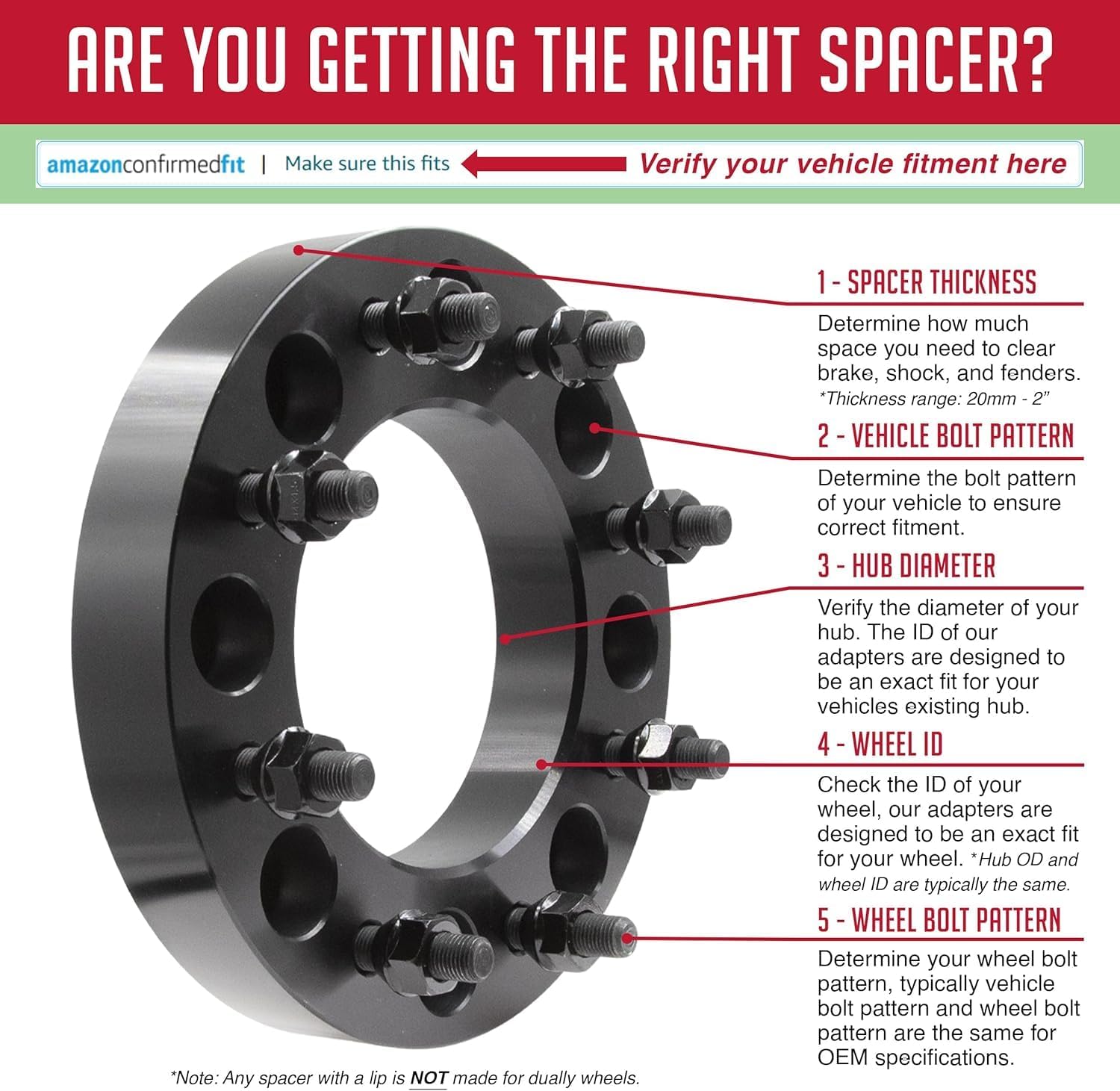
Competitive benchmarking: using category standards to define a stronger visual direction
The image refresh began with a competitive review of how stronger Amazon listings in the category were presenting similar automotive products. The goal was not to copy competitors, but to understand the visual language that was already working in the market: cleaner layouts, stronger contrast, clearer specification callouts, more confident product positioning, and images that explain the product without forcing the customer to read every bullet.
This benchmarking helped define a new visual style for the listings. The new direction needed to be more pleasing to the eye, but still technically useful. In this type of category, aesthetics alone are not enough. A successful image has to look professional while also communicating fitment, dimensions, construction, finish, quantity, and use case.
The final direction was built around a clearer hierarchy: first attract attention, then explain the product, then reduce fitment doubt, and finally reinforce durability and trust. This gave the listing a more premium and intentional look while still serving the practical needs of Amazon shoppers.
Cleaner hierarchy
Make the first scan easier.
Technical trust
Specs remain visible and precise.
Fitment confidence
Compatibility is framed as a buying cue.
Scalable system
Reusable visual patterns support many SKUs.
The image system: from manual design to scalable image production
The new image style was designed in Photoshop as a repeatable system rather than as a one-off creative asset. This is important because Amazon catalogs often contain many related SKUs with small but critical differences: thread size, pack quantity, finish, length, seat type, compatible vehicles, and product family. Designing each image manually from scratch would be slow, inconsistent, and difficult to scale.
To solve that, the image structure was treated like a coded layout. Each image can be understood as a template made of reusable visual components: product photo, title block, specification callouts, icons, compatibility text, measurement labels, background treatment, and brand elements. Once those components are defined, the variable information can be inserted systematically from product data.
In practice, this means that a product image is not only a static design file. It becomes a semi-automated output generated from a combination of Photoshop templates and structured product attributes. The code can determine which text belongs in each layer, which dimensions need to be displayed, which vehicle fitment group should be shown, and which export format is required for Amazon.
This approach creates a major operational advantage. Instead of redesigning every image manually, the workflow can produce consistent image sets across many SKUs while still preserving product-specific accuracy. It reduces repetitive design work, lowers the risk of formatting inconsistencies, and makes future catalog expansion faster.
Template logic
Photoshop defined spacing, typography, hierarchy, product placement, callout style, and export-ready composition.
Data logic
Thread size, quantity, finish, seat type, vehicle families, and compatibility notes became structured inputs.
Automation logic
Coding automated repeat production tasks across multiple SKUs without rebuilding every asset manually.
Output logic
Amazon-ready image sets stayed consistent while preserving product-specific accuracy.
Product Data->Photoshop Template->Automated Image Output->Amazon Listing
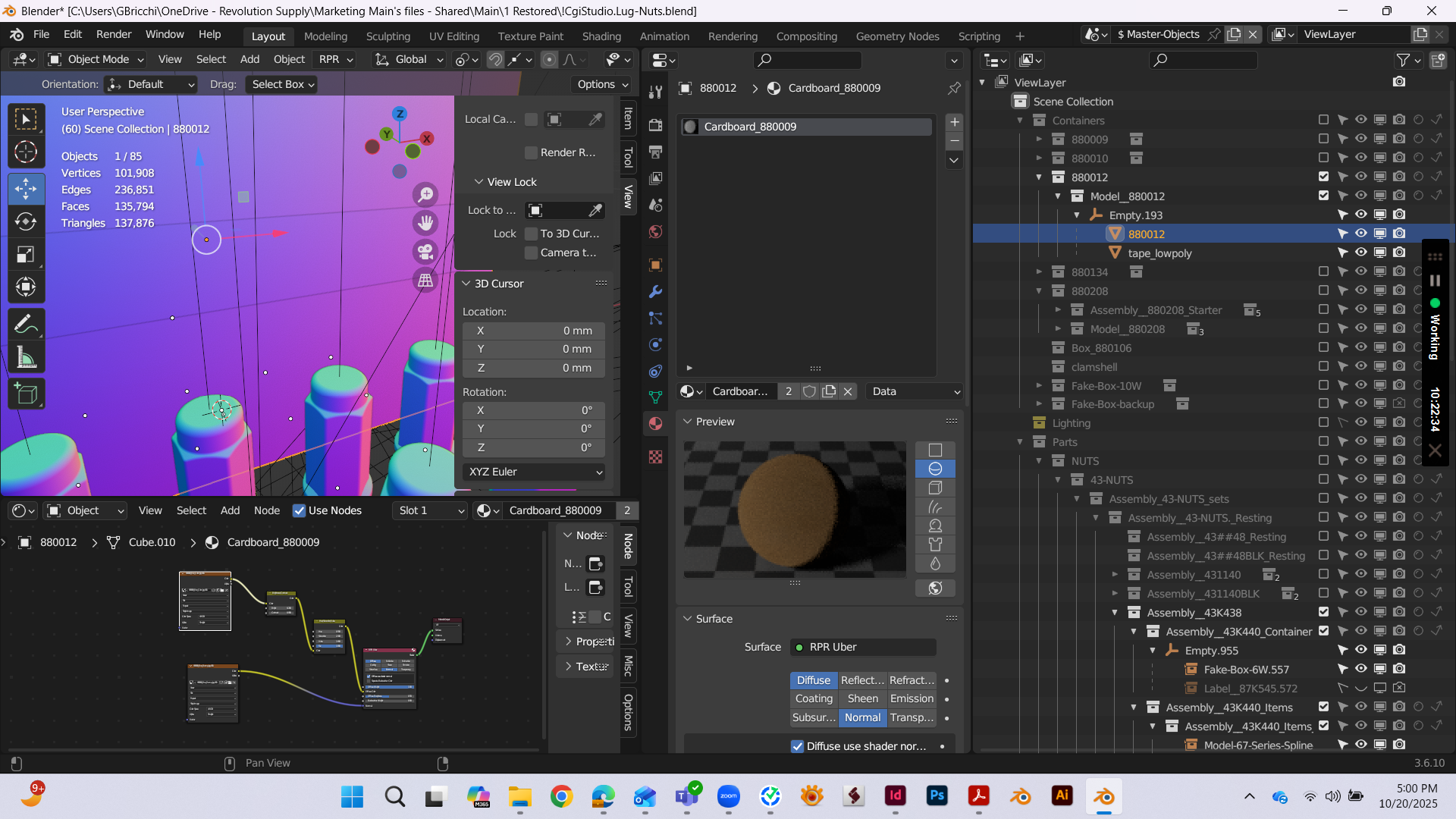
The content system: technical information rewritten for Amazon decision-making
The copy was rebuilt with the same logic as the images: structured, repeatable, and technically precise. The old bullet style contained relevant information, but the new structure made the information easier to scan and easier to trust.
The rewritten bullets prioritize the details that matter most in automotive fitment. The first line establishes the exact product configuration: quantity, thread size, length, spline type, seat type, construction, and finish. The next layer addresses compatibility and use case, especially the distinction between aftermarket wheels and OE wheels. Later bullets reinforce durability, corrosion resistance, construction quality, and standards.
This was not only a copywriting improvement. It was a conversion architecture improvement. The copy was designed to answer the customer's doubts in the same order they appear during the buying process: "Is this the correct part?", "Will it fit my vehicle?", "Is it durable?", "Is it safe for my wheel type?", and "Can I trust this product?"
The title strategy followed the same principle. Keywords remained important, but the title was reorganized so that search terms, technical specifications, and recognizable vehicle families appeared in a more natural sequence. This made the listing more readable while still supporting Amazon indexing.
Old copy logic
Data present, but dense and less guided.
Compatibility required more shopper interpretation.
New copy logic
Specs, fitment, use case, and trust cues appear in decision order.
SEO terms remain, but readability improves.
A+ / EBC: extending the technical story beyond the bullets
The A+ / EBC content was planned as the long-form layer of the listing. While the title and bullets are built for fast scanning, the A+ section gives more space to create a complete brand and product argument. It allows the listing to explain the product visually, reinforce construction quality, and make fitment information feel less overwhelming.
For this category, effective A+ content should not be treated as decoration. It should work as a technical sales page inside Amazon. The modules should help the customer understand the product family, compare specifications, confirm compatibility, and see why the product is reliable for its intended use.
The ideal A+ structure for this project includes a product identity module, a fitment and compatibility module, a specification breakdown, and a durability or testing module. Together, these sections create a more complete customer journey than bullets alone can provide.
Hero->Specs->Fitment->Durability->Brand trust
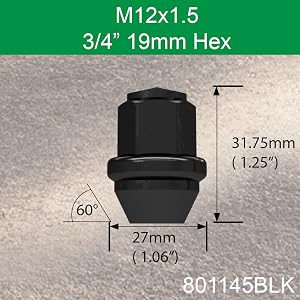
A Precision-Engineered Lug Nut Set
As a US-owned business, we deliver precision-engineered quality you can trust. Your order arrives with a complete set of 20 lug nuts. Designed for OEM wheels. Replaces factory parts CV6Z-1012-C and 611-303.

One Piece & 72 Hours Strict Salt Spray Test
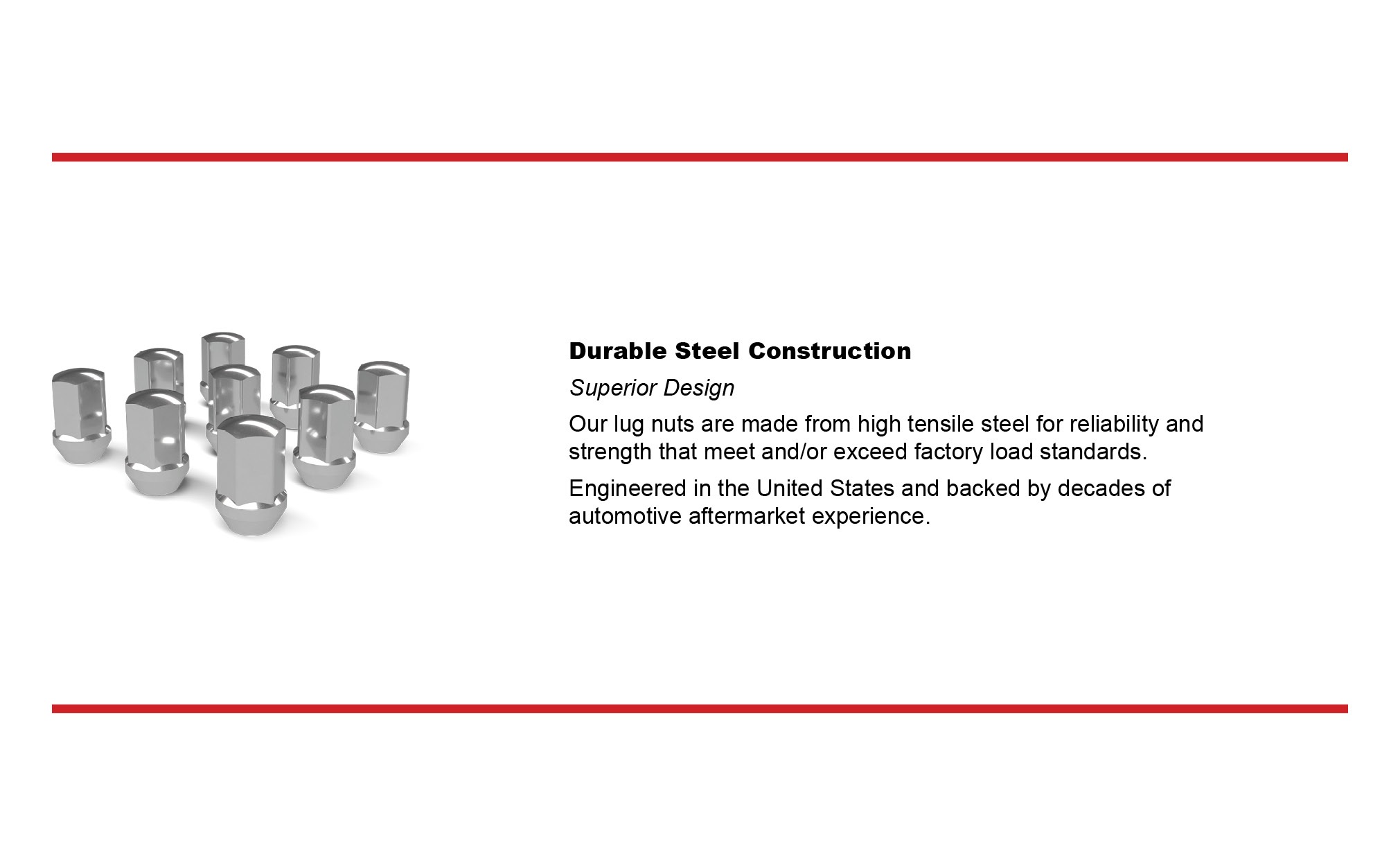
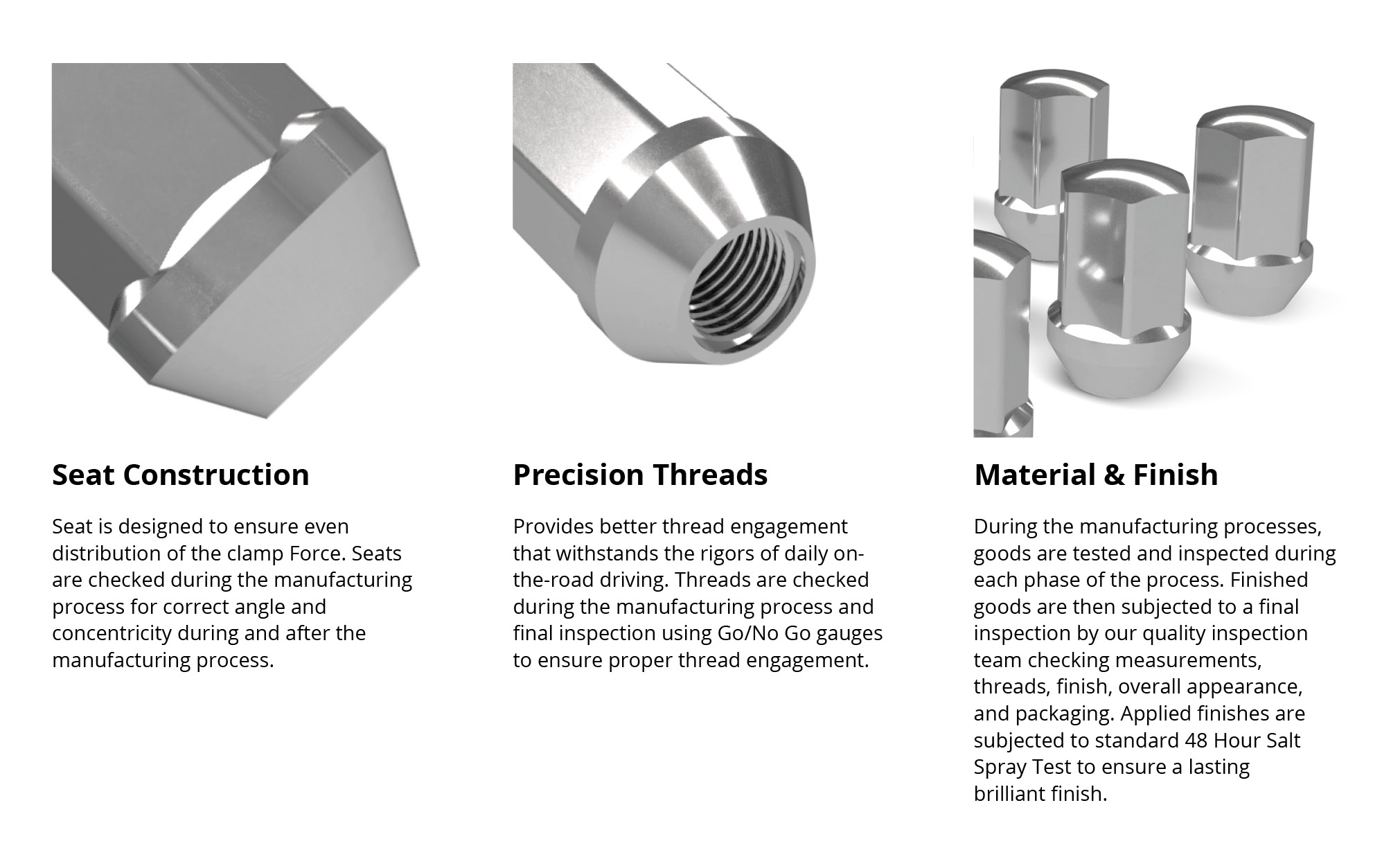
Engineered with a superior one-piece construction, our lug nuts outperform and outlast OEM designs. They undergo a rigorous 72-hour salt spray test, guaranteeing exceptional rust and corrosion resistance.
KPI validation: measuring whether the new listing system improved performance
The project was evaluated through performance data from the KPI folder. The comparison period used in the reports separates Jun 29, 2025-Dec 27, 2025 from Dec 28, 2025-Jun 27, 2026. This makes it possible to compare the earlier listing period against the period after the broader listing improvements were implemented.
Total traffic increased from approximately 1.11 million to 1.32 million, a gain of about 19.4%. Organic traffic increased from approximately 49.9K to 57.3K, while paid search traffic increased from approximately 15.4K to 33.9K. That paid traffic increase is especially relevant because a stronger listing can support more aggressive traffic acquisition: the page receiving the traffic becomes more capable of converting it.
Conversion rate also improved. Average conversion rate increased from approximately 7.44% to 7.85%, a gain of around 5.5%. In a high-traffic Amazon catalog, even a modest conversion-rate increase can have meaningful revenue impact because it compounds across thousands of sessions.
Retail sales followed the same direction. Average weekly retail sales increased from approximately $112.3K to $141.9K, an improvement of about 26.3%. The strongest interpretation is not that one isolated edit produced the entire change, but that the combined listing system - images, titles, bullets, A+ content, and clearer fitment communication - helped the catalog capture more value from its traffic.
Total Traffic by Period
Traffic Mix
Conversion Rate Over Time
Retail Sales Over Time
Advertising Snapshot A
Sample product A: $263.95 sales, 12.63 ROAS, 25.49% conversion rate, 7.92% ACOS.
Advertising Snapshot B
Sample product B: $416.81 sales, 11.34 ROAS, 22.73% conversion rate, 8.82% ACOS.
Keyword Visibility
Category keyword traffic split shows 87.0% share for wheel accessories parts in the sampled keyword report.
Search Demand
Socket-related queries such as lug nut socket and 21mm impact socket show category-specific intent patterns.
How the workflow was built
The workflow combined creative direction, marketplace analysis, structured product data, and automation. First, the listing problem was identified through poor conversion performance and a visual audit of the existing content. Then, competitors were reviewed to understand what types of visual presentation were already setting customer expectations in the category.
After that, a new visual system was designed in Photoshop. The design was not created as a single isolated image, but as a reusable framework. The goal was to define repeatable components that could be applied across the catalog: product hero placement, specification callouts, compatibility messaging, background treatments, icons, labels, and text hierarchy.
Coding was then used to support production. In a catalog environment, many product images follow the same structure but require different data. A coded workflow can take structured SKU information and insert it into predefined visual templates. For example, the system can generate different image versions for M14x1.5, M12x1.5, 24-pack, 32-pack, black finish, chrome finish, spiked style, spline style, or different vehicle applications.
This turns image creation into a semi-automated content pipeline. The creative strategy still comes from human decisions - what to emphasize, how to design the hierarchy, how to position the product - but the repetitive execution can be accelerated with code. This is especially valuable for Amazon catalog management because consistency, speed, and accuracy matter at scale.
The same logic was applied to the written content. Product data was translated into a structured copy framework: exact specifications, fitment, aftermarket-wheel clarification, construction quality, corrosion resistance, and Amazon Confirm Fit guidance. This made the listings easier to standardize without making them generic.
1. Detect
Conversion issue and visual audit.
2. Benchmark
Category standards and shopper expectations.
3. Systemize
Photoshop templates plus structured data.
4. Validate
Traffic, conversion, and sales movement.
Strategic impact: a listing system, not a cosmetic redesign
The most important result of the project was the creation of a scalable Amazon content system. The improvements were not limited to making the listings look better. The new structure made the listings more understandable, more technically complete, and more aligned with how customers evaluate automotive products on Amazon.
This matters because Amazon listing optimization sits at the intersection of SEO, conversion rate optimization, creative production, and catalog operations. A listing can rank for the right terms and still underperform if the customer does not trust the product page. Likewise, a listing can look visually polished but fail if it does not communicate the exact technical information needed to purchase.
The stronger approach is to connect both sides: keyword relevance and buyer confidence. This project did that by improving the title structure, rewriting the bullets around technical decision-making, redesigning the image style based on category expectations, and creating a more scalable production workflow through Photoshop and automation.
Skills demonstrated in this project
This project demonstrates a combination of Amazon marketplace knowledge, SEO strategy, conversion thinking, creative direction, and technical automation. It required understanding the customer journey, the competitive landscape, the limitations of Amazon content, and the operational challenge of scaling high-quality listing assets across a catalog.
The work included Amazon title optimization, bullet-point restructuring, A+ / EBC planning, visual system design, competitive listing analysis, KPI interpretation, product-data structuring, and automation-assisted image production. The result was a more professional listing experience supported by measurable improvements in traffic, conversion, and sales.
Final comparison: the listing experience before and after
The final section of the page shows the clearest visual proof of the transformation: a slider comparing the previous Amazon-style listing experience with the refreshed version.
The comparison makes the improvement visible across the complete listing flow: image gallery, title, bullets, buy box, and A+ / EBC content.
Old Style
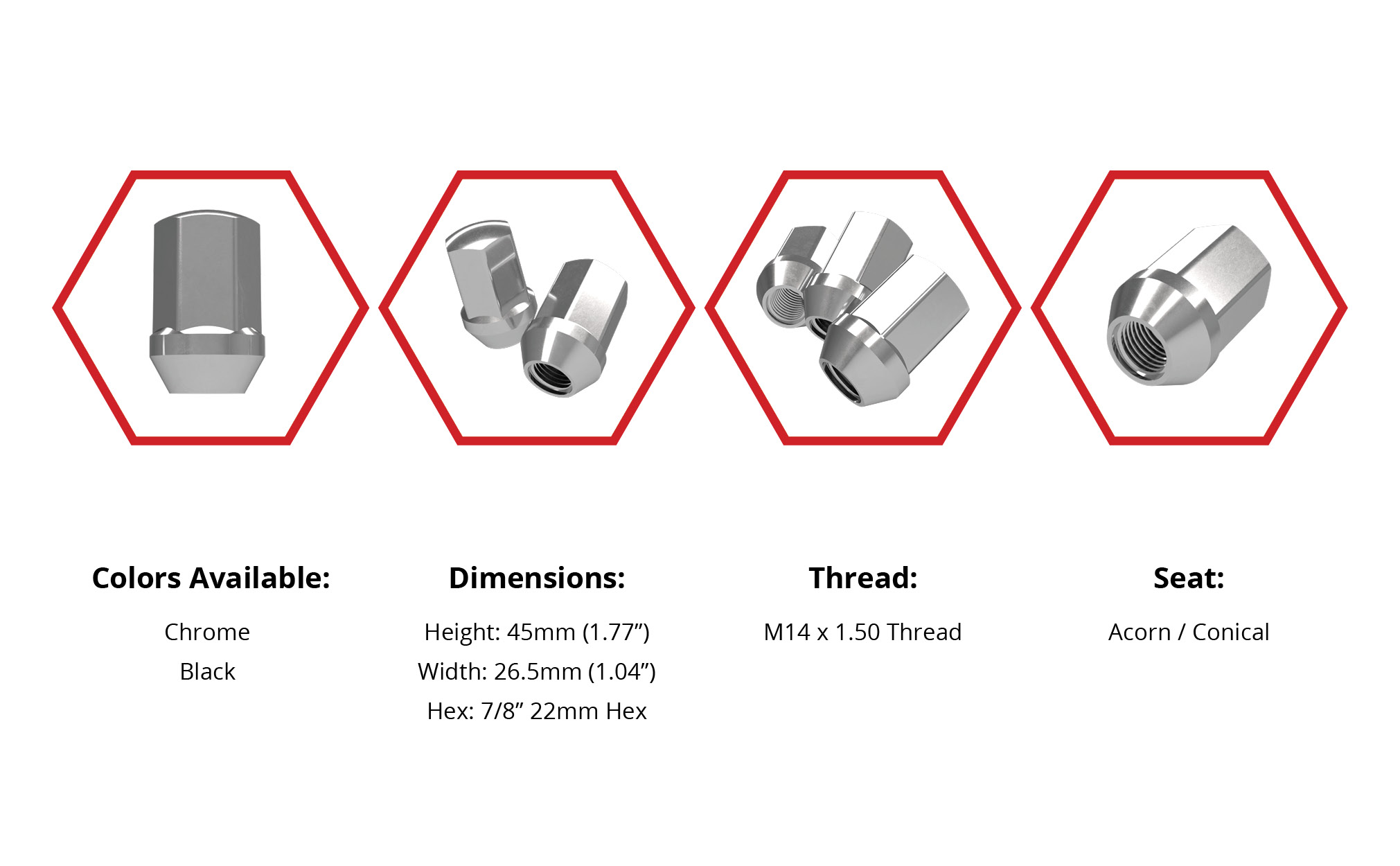
Visit the store
Wheel Accessories Parts 24 Pcs M14x1.5 14x1.5 4.4" Long Lug Nuts Chrome Spike Style for Truck Spline Cold forged carbon steel AFTERMARKET wheels only
- AFTERMARKET WHEELS ONLY: These Lug nuts are designed for AFTERMARKET wheels only. This lug may be the correct thread for your vehicle; in many cases the lug seat is not large enough to create sufficent clamping force to safely install the OE wheel to your vehicle.
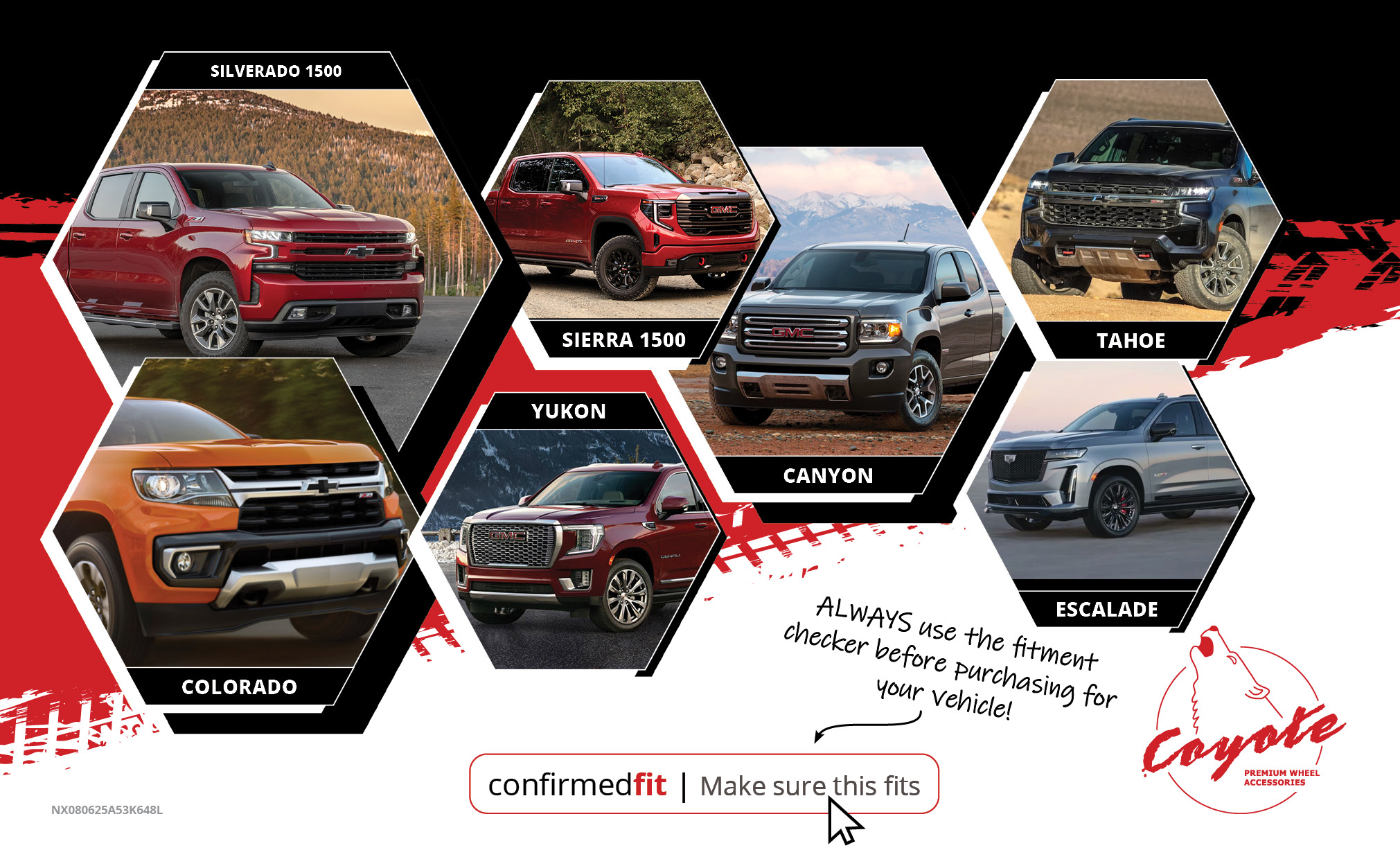
- Always use AMAZON CONFIRMED FIT to validate product fitment to your vehicle. This item fits Cadillac 1999+ Escalade | Chevrolet 2002-13 Avalanche | 1991+ Blazer | 2015+ Colorado | K1500 Suburban | 1999+ Silverado 1500 | 2000+ Suburban | 1995+ Tahoe | 2009+ Traverse | Ford 2022+ Bronco | 2015+ Expedition | 2015+ F150 | GMC 2007+ Acadia | 1988-2000 C2500 | 2015+ Canyon | 1999+ Sierra 1500 | 1992+ Yukon | Jeep 2022+ Wagoneer Grand Wagoneer | RAM 2019+ 1500 | Saturn 2007-10 Outlook
- 24 Pcs | 4.4" Long | M14x1.5 14x1.5 Thread | Truck Spline | 60 Degree Conical Seat | Spiked | Red Finish | 1 Pc Construction
- Designed in the USA. Spike Lug nuts give your vehicle an edgy custom look. Our 4.40" Long Truck Spline Lug Nuts are typically used on pickup truck applications, where the OE studs are long and require a longer lug nut.
- Cold forged carbon steel. High quality precise threads. Built to SAE Standards.
New Style
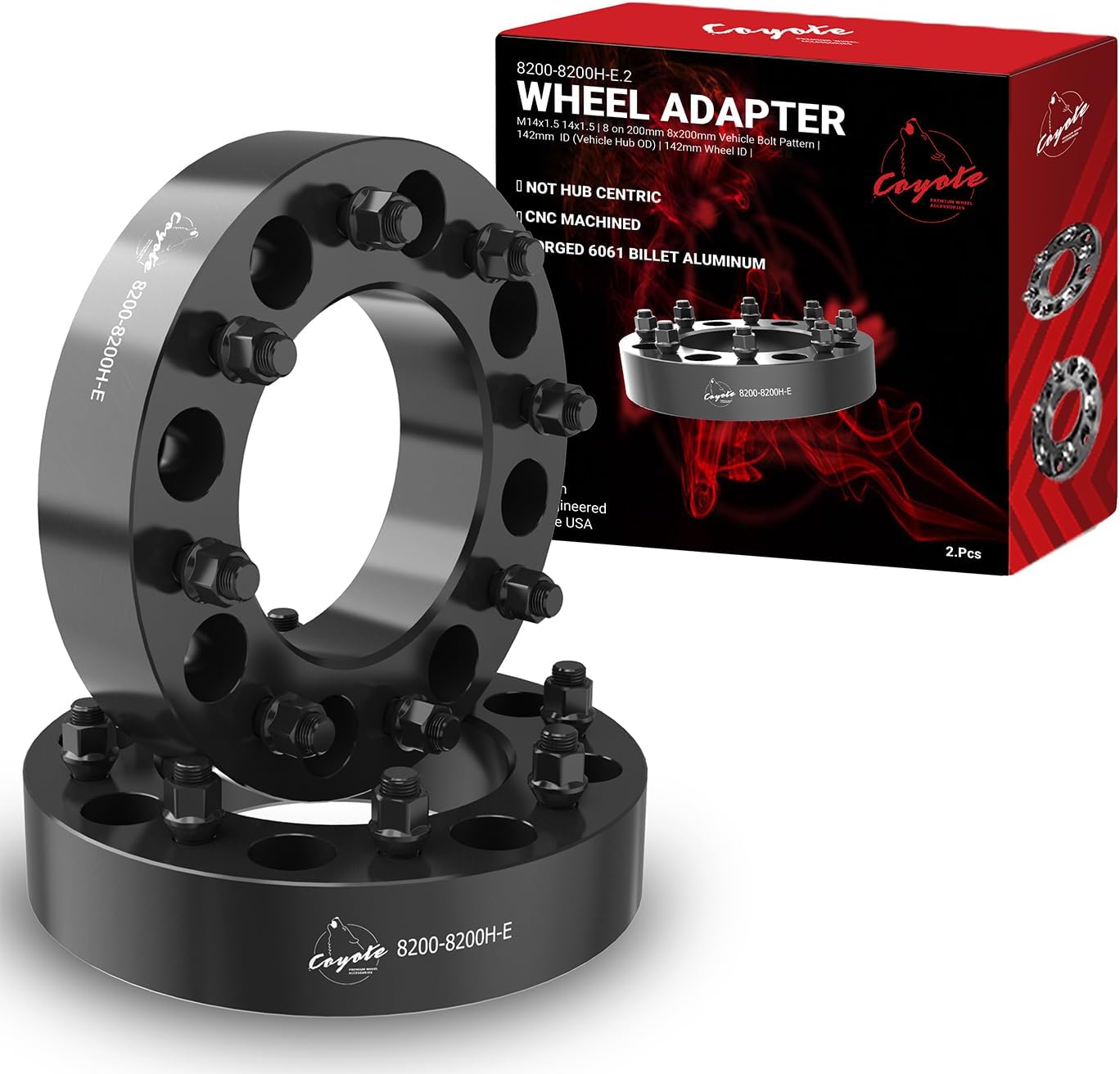
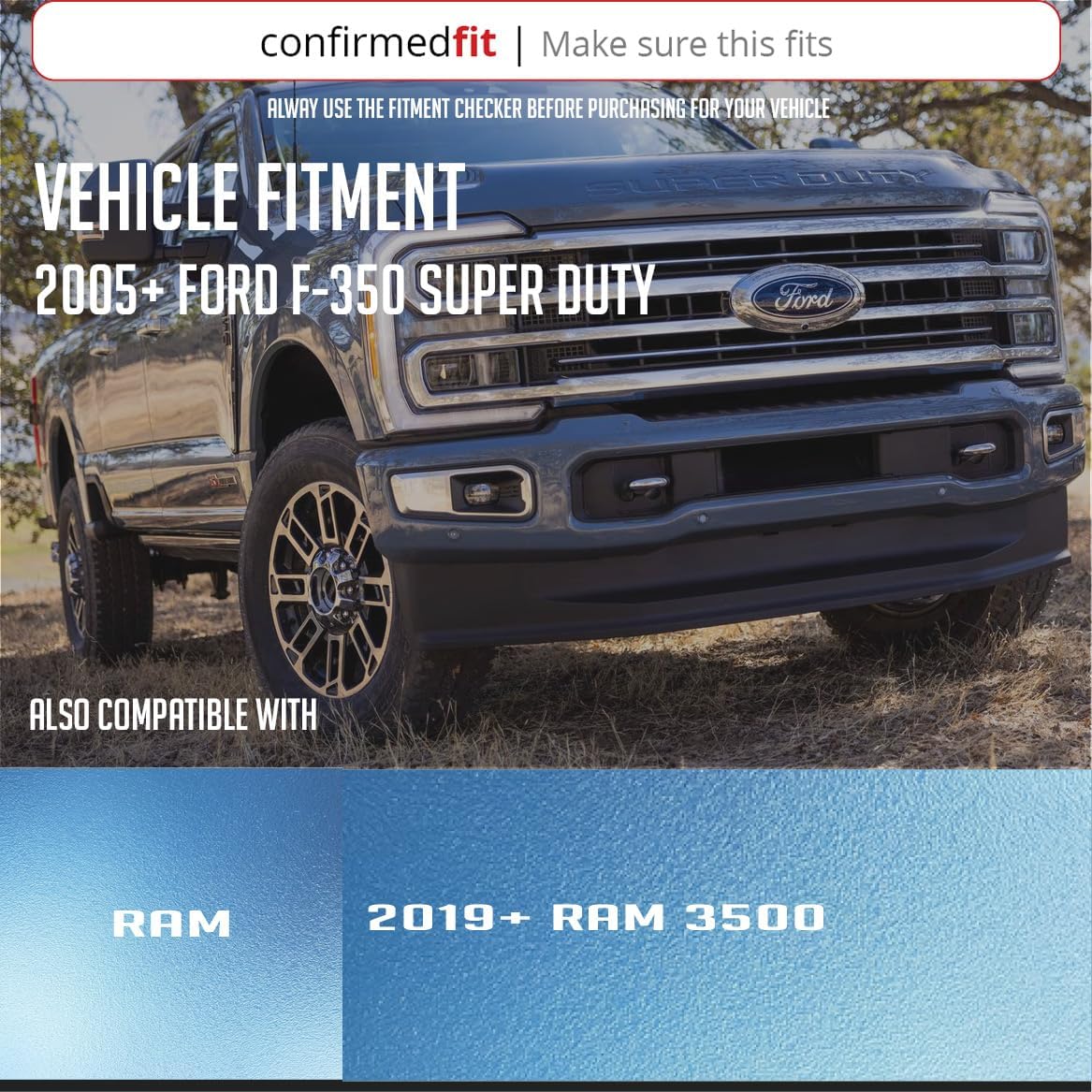

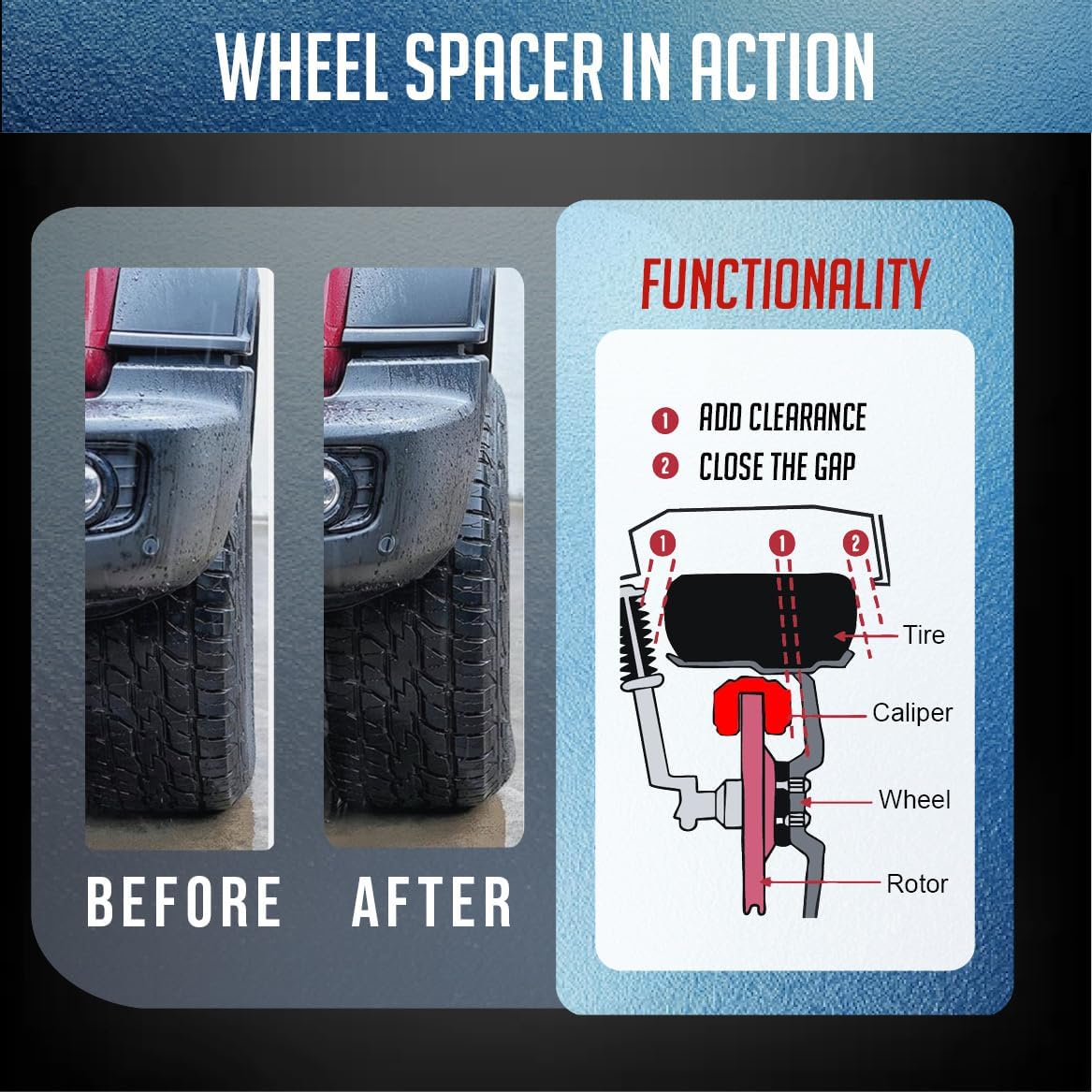
Visit the store
Wheel Accessories Parts 24 Pcs M14x1.5 14x1.5 Thread Spiked 4.4" Long Lug Nuts Chrome Truck Spline Hex Fits Chevy Silverado GMC Sierra Ford F-150 RAM 1500
- EXACT FACTORY SPECIFICATIONS: Includes 24 Pcs Spiked Style Lug Nuts with M14x1.5 14x1.5 Threads | 4.4" Long | Truck Spline Hex | 60 Degree Conical Seat | True One-Piece Heat Treated Carbon Steel Construction with Black Finish
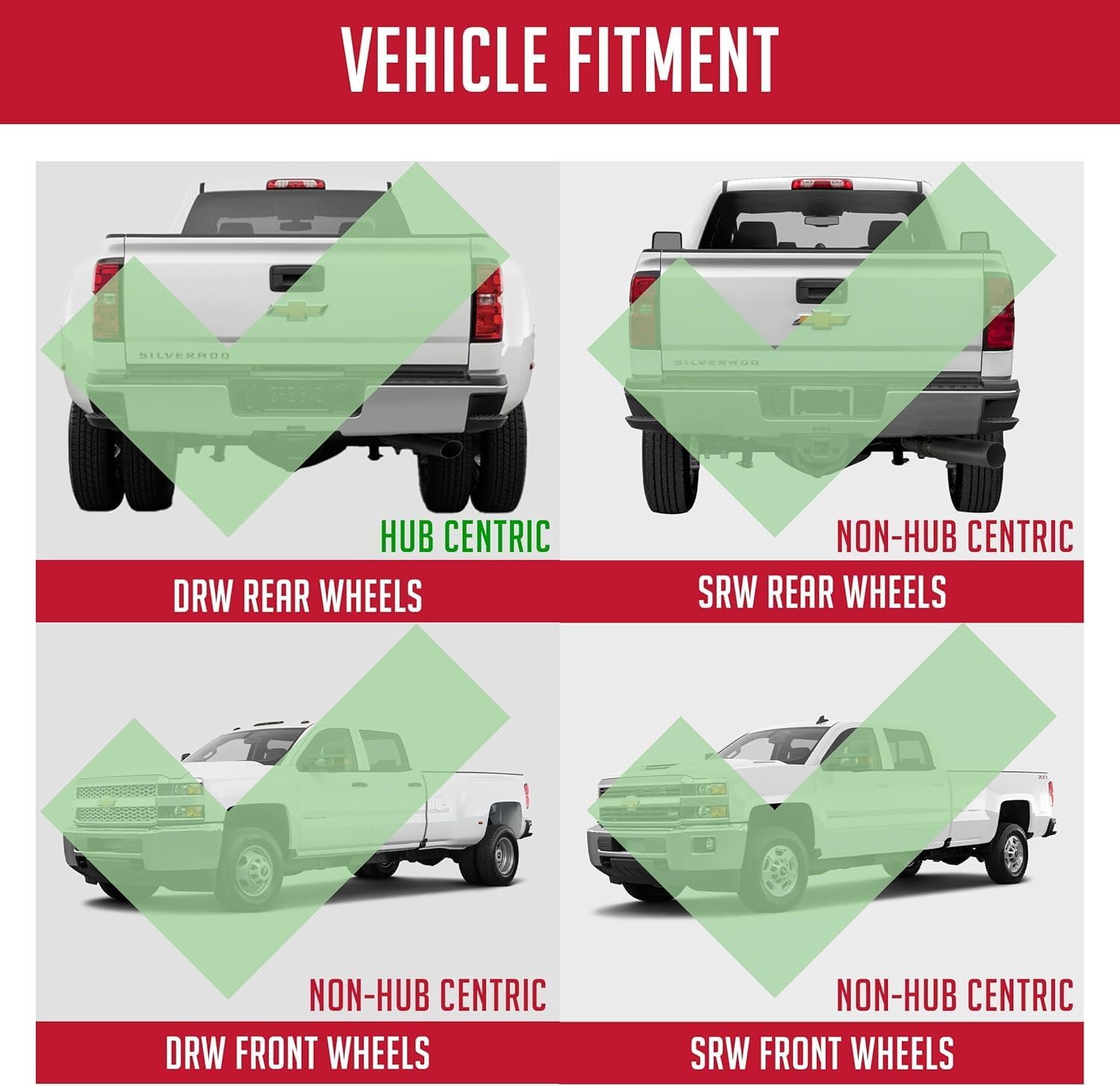
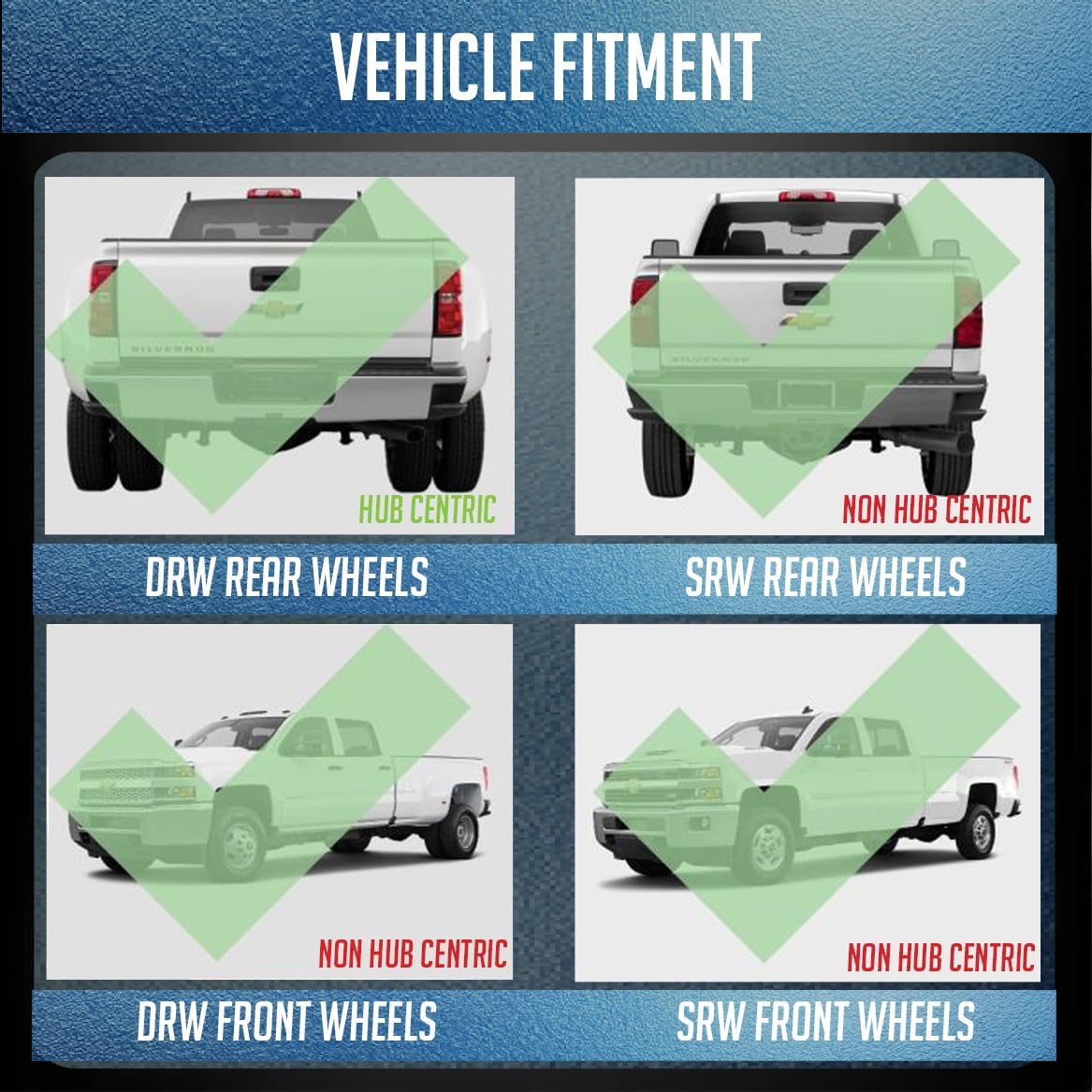
- PRECISION FITMENT ENGINEERED FOR AFTERMARKET WHEELS. Compatible on vehicles with M14x1.5 14x1.5 threads as found on Cadillac 1999+ Escalade | Chevrolet 2015+ Colorado 1999+ Silverado 1500 2015+ Suburban 1995+ Tahoe | Ford 2022-25 Bronco 2015-24 Expedition 2015+ F-150 2023-25 Ranger | GMC 2015+ Canyon 1999+ Sierra 1500 1992+ Yukon | Jeep 2022-25 Grand Wagoneer 2022-25 Wagoneer | Lincoln 2015+ Navigator | Ram 2019+ 1500 Confirm compatibility with AMAZON CONFIRM FIT. FOR AFTERMARKET WHEELS Only
- DESIGNED & TESTED IN USA: Truck Spline Hex Spiked Lug Nuts are specifically designed for aftermarket wheels. One-Piece design ensures reliable clamping force and long-term durability under daily driving conditions.
- RELIABLE PERFORMANCE & CORROSION RESISTANCE: Premium multi-layer Black coating tested for 72-hour salt-spray corrosion protection. Ideal upgrade for your vehicle. Designed for RAINY climate and AFTERMARKET wheels. Cold Forged carbon Steel. High quality Precise M14x1.5 14x1.5 threads. Built to SAE Standards
- COMPLETE 24 Pcs SET: Full lug nuts set for four wheels Black Lug Nuts with 60 Degree Conical Seat ready for direct installation. Upgrade now to your vehicles appearance and the safety you are looking for.
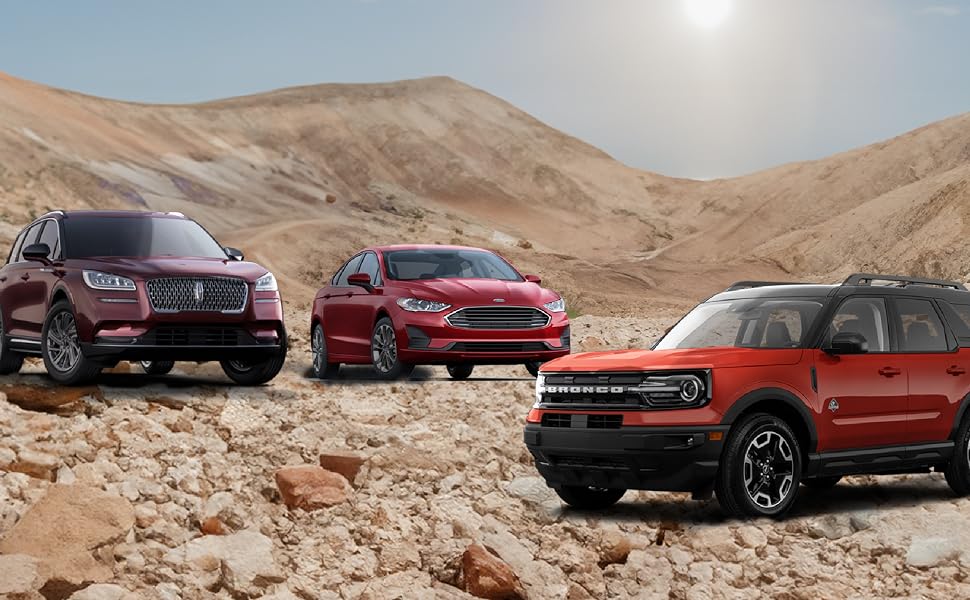
Lug Nuts for Ford and Lincoln Vehicles
Fitment for the following Ford models
2021+ Ford Bronco Sport: 2021 Ford Bronco Sport, 2022 Ford Bronco Sport, 2023 Ford Bronco Sport, 2024 Ford Bronco Sport, 2025 Ford Bronco Sport
2018-2022 Ford EcoSport: 2018 Ford EcoSport, 2019 Ford EcoSport, 2020 Ford EcoSport, 2021 Ford EcoSport, 2022 Ford EcoSport
2021+ Ford Escape: 2021 Ford Escape, 2022 Ford Escape, 2023 Ford Escape, 2024 Ford Escape, 2025 Ford Escape
2006-2020 Ford Fusion: 2006 Ford Fusion, 2007 Ford Fusion, 2008 Ford Fusion, 2009 Ford Fusion, 2010 Ford Fusion, 2011 Ford Fusion, 2012 Ford Fusion, 2013 Ford Fusion, 2014 Ford Fusion, 2015 Ford Fusion, 2016 Ford Fusion, 2017 Ford Fusion, 2018 Ford Fusion, 2019 Ford Fusion, 2020 Ford Fusion
2021+ Ford Ranger: 2021 Ford Ranger, 2022 Ford Ranger, 2023 Ford Ranger, 2024 Ford Ranger, 2025 Ford Ranger
Fitment for the following Lincoln models
2020+ Lincoln Corsair: 2020 Lincoln Corsair, 2021 Lincoln Corsair, 2022 Lincoln Corsair, 2023 Lincoln Corsair, 2024 Lincoln Corsair, 2025 Lincoln Corsair
A Precision-Engineered Lug Nut Set
As a US-owned business, we deliver precision-engineered quality you can trust. Your order arrives with a complete set of 20 lug nuts. Designed for OEM wheels. Replaces factory parts CV6Z-1012-C and 611-303.
One Piece & 72 Hours Strict Salt Spray Test
Engineered with a superior one-piece construction, our lug nuts outperform and outlast OEM designs. They undergo a rigorous 72-hour salt spray test, guaranteeing exceptional rust and corrosion resistance. This ensures a durable, all-weather finish for enhanced safety and peace of mind.