Working with an AI agent: Claude as part of the team
How I use Claude Code connected to GitHub, Vercel, Google Drive and desktop apps to build, audit and ship real projects, and the rules I keep so the output can be trusted.
Matías Gaglio ·
Leer en españolA collaborator that works inside my tools, not next to them.
Over the last few months I stopped using AI only to ask for answers and started delegating complete pieces of work. Claude Code works inside my repositories, opens branches and pull requests, checks deployments on Vercel, reads Google Drive files and, through MCP servers, operates desktop applications such as DaVinci Resolve and Audacity. I set the goal and the quality bar; the agent executes, verifies and reports what it did and what it could not check.
First, decide what it can reach.
An agent is only as useful as what it can touch. I set it up in layers, with a concrete reason for each connection:
GitHub
Repositories, branches, pull requests and check results. Every change lives on its own branch and goes through a PR I can read before merging.
Vercel
Deployment status, build logs and production errors, to confirm that what was merged is what is actually live.
Google Drive and Canva
Documents and design files that serve as the source for articles, guides and creatives.
Local MCP servers
Model Context Protocol servers that connect Claude to DaVinci Resolve and Audacity on my computer, without uploading the material to third parties.
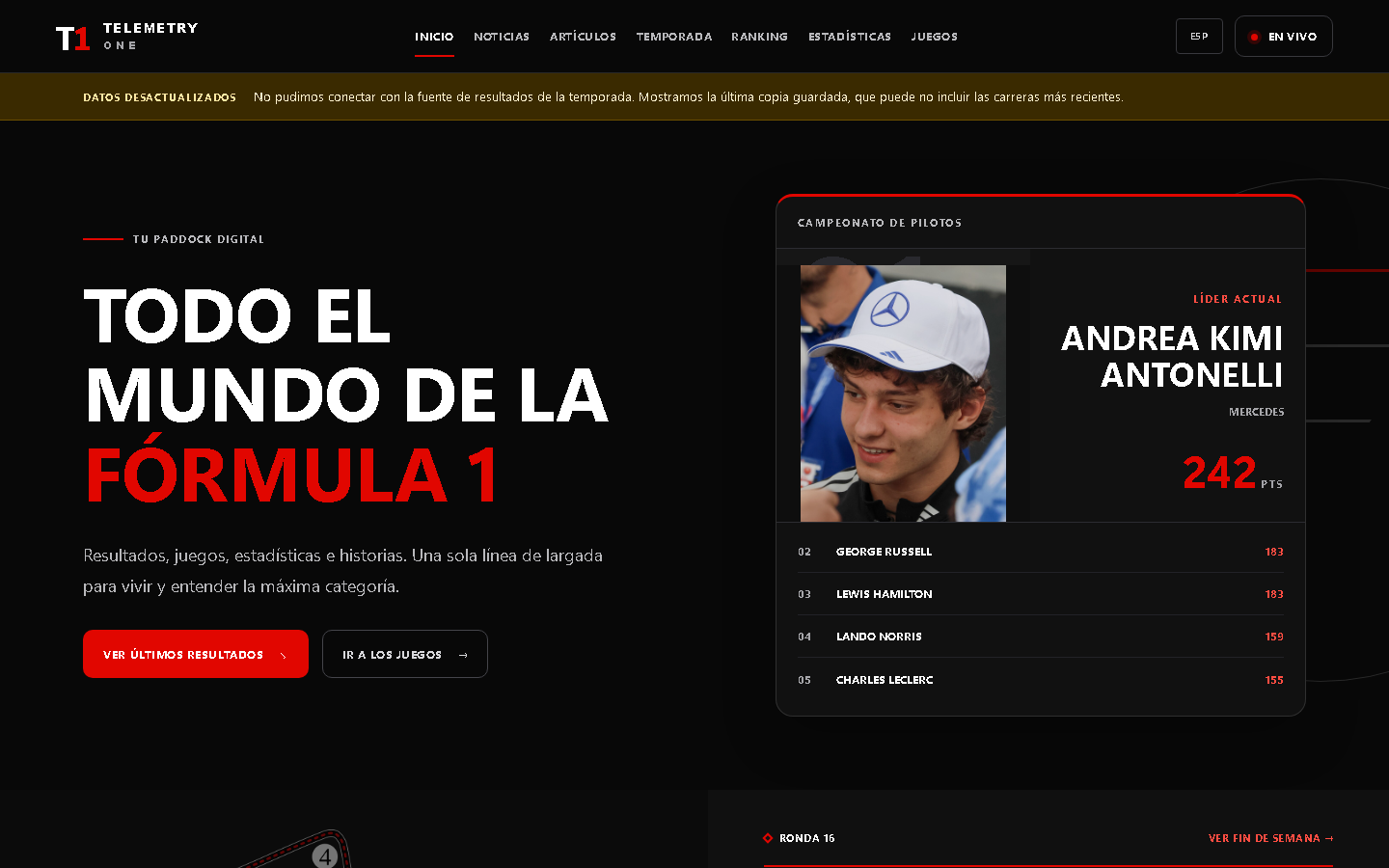
A Formula 1 portal built through pull requests.
Telemetry One is my Formula 1 portal, built with Next.js and TypeScript. In October and November 2026 most of its development ran through Claude Code sessions: a race replay powered by OpenF1 data, a 3D map with cars on the real circuit, automatic post-race reports, preparation for the telemetry-one.com domain and prerendering in Spanish and English.
The method was always the same. I describe the expected outcome; the agent works on a branch, runs the build and TypeScript checks, opens a PR with a readable description, and Vercel produces a preview. Only after reviewing that preview does the change merge to production.
Ask
Describe the outcome in product terms, with acceptance criteria.
Build
A dedicated branch, scoped changes and a local build with type checks.
Review
A pull request with an explanation and a Vercel preview.
Ship
Merge to main, automatic deployment and a check in production.
Auditing this portfolio the way a senior team would.
This site has also been through several rounds with Claude. In one of them the agent found that the catalog and the software carousel were rendered only by JavaScript: a search engine or link-preview bot that does not run scripts saw an empty list. The fix was to generate a static snapshot of the catalog at build time, grow the sitemap from 5 to 36 pages and add that check to continuous integration.
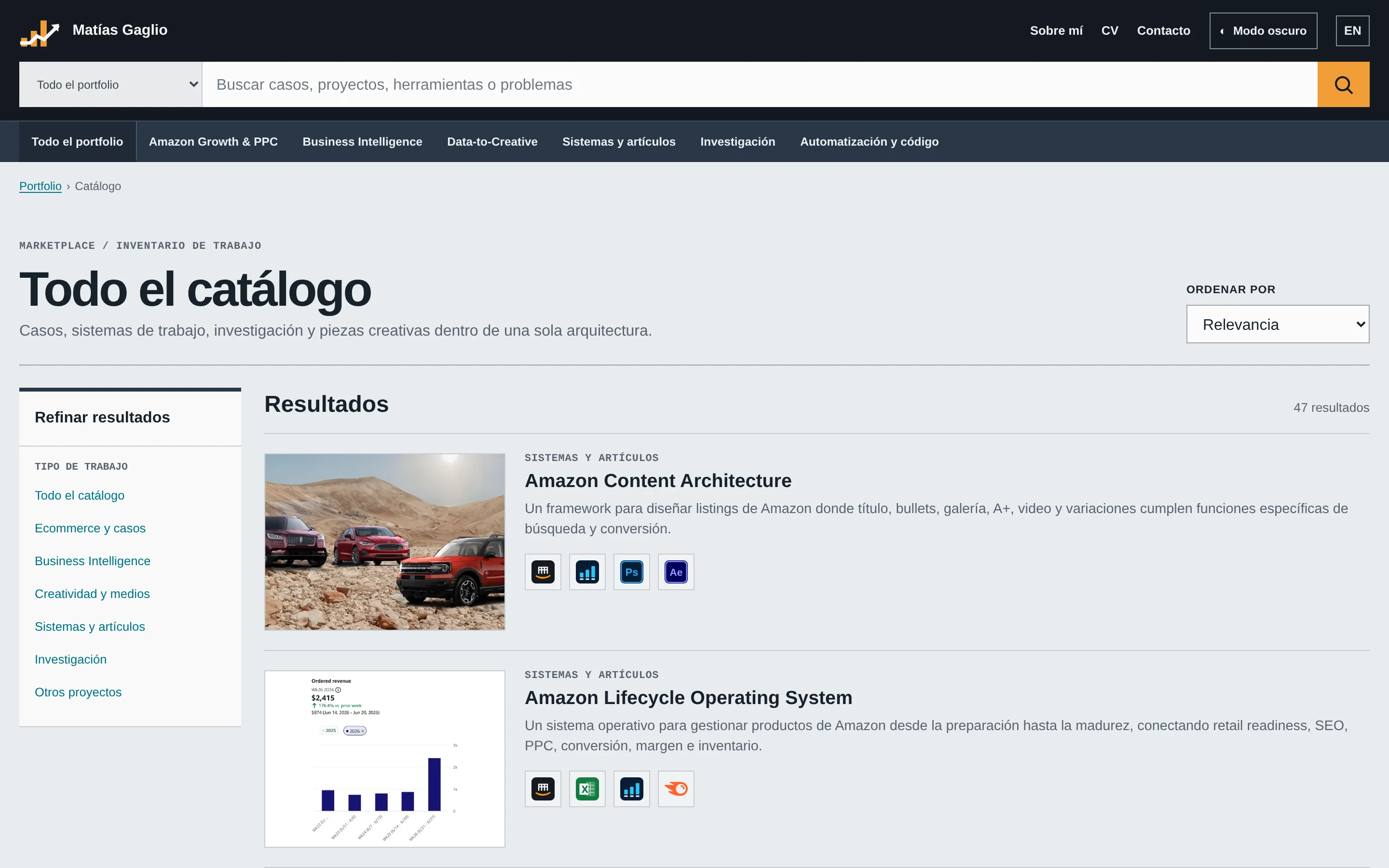
In another round, a social sharing image still showed the site’s old domain, so the agent generated a new Open Graph card. When software logos suddenly rendered oversized on the home page, it traced the cause to an overly narrow CSS selector, shipped a one-line fix and verified it in production.
The latest launch audit covered functionality, UX, content, accessibility, performance and technical SEO. The deliverable was a table prioritized into P0, P1 and P2, with evidence, impact, a proposed fix and an effort estimate for every finding.
Beyond code.
- Video: a logo animation, vertical reels and a 16-page editing guide, working directly in DaVinci Resolve.
- Audio: cleaning up an interview with Audacity and DeepFilterNet, verified sample by sample.
- Content: bilingual articles like this one, with metadata, software tags and the search index updated in the same change.
What I do not delegate.
- The goal and the evidence: what is worth building and which claims each page can support.
- Irreversible steps: production changes, deletions and outside messages wait for my confirmation.
- The final review: I read the PRs, check the previews and listen to or watch what the agent cannot perceive.
- An honest report: every handoff has to state what was verified and what was left unchecked.